The Canceled 2020 COD Mobile World Championship: A Turning Point for Mobile Esports Remembered in 2026
COD Mobile World Championship 2020 cancellation reshaped mobile esports, fueling innovation and growth in global competitive gaming.
I still remember the collective groan that rippled through the Call of Duty Mobile community back in December 2020. Just as we were gearing up for the first truly global championship, the rug got pulled out from under us. The COD Mobile World Championship 2020 Grand Finals was officially scrapped, and honestly, it stung. But looking back from 2026, that moment of disappointment might have been the push the mobile esports scene needed to reinvent itself.
Let me paint you the picture. It was the height of the pandemic’s second wave, and Los Angeles was supposed to host the top eight teams on the planet. A $750,000 prize pool was on the line, a jaw-dropping sum for a mobile title back then. Activision, however, made the only call they could. They tweeted out the news, prioritizing player well-being over any spectacle. You could almost hear the collective sigh through the screen—tens of thousands of fans had been grinding through qualifiers just to watch their heroes duke it out on a live stage.
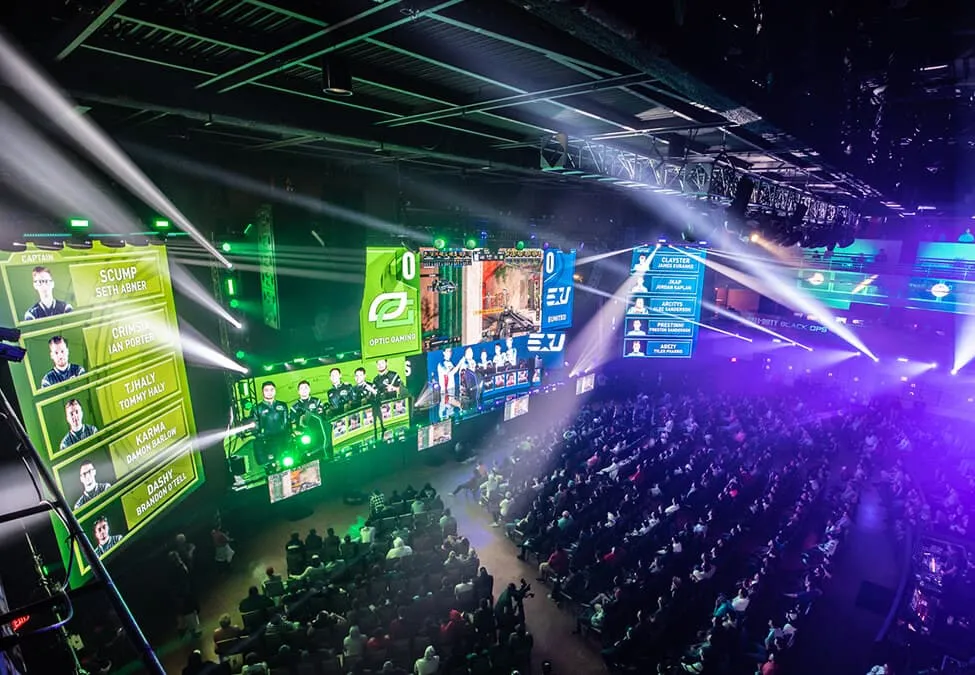
The announcement, blunt as it was, spelled out the harsh reality: no travel, no packed arena, no confetti. Instead, the entire prize pool would be split evenly among the eight regional playoff champions. That meant roughly $94,000 per team, handed out without a single player having to leave their country. Now, I’m not saying a bag of cash isn’t nice, but let’s be real—every competitor dreams of lifting a trophy in front of a roaring crowd. That dream got put on pause.
Those eight teams had fought tooth and nail through three grueling stages of online qualifiers. Let’s give them their flowers, even if it’s from this side of 2026. Rejection from Japan brought an incredible mix of discipline and aggression. Influence Rage out of LATAM played with a flair that made you double-take. Tribe Gaming represented North America with the kind of swagger only a homegrown powerhouse can. Kings Clan, Western Europe’s finest, were as clinical as a Swiss watch. Team Mayhem from the Others region had a Cinderella story building. T1 from South Korea, well, they were T1—methodical, terrifying, and hungry. And NRX JEREMIAH 29:11 from Southeast Asia had a fanbase that could drown out a stadium. We never got to see them clash in a single, definitive bracket. What a bummer.
Yet, here’s the twist I didn’t see coming. The cancellation forced everyone to get creative. Activision wasn’t just giving out platitudes when they said they were excited for the future of competitive COD Mobile. They immediately started pouring resources into online infrastructures, regional circuits, and digital broadcast tools that made us feel like we were part of something, even from our couches. Fast forward to 2026, and those seeds have bloomed into a titan of an ecosystem. The annual COD Mobile World Championship now runs on a hybrid model—online qualifiers that culminate in a festival-style global event, but with local satellite stages so players never face the same travel risks that haunted 2020.
The prize pools have ballooned, obviously. We’ve seen mobile esports morph from a side attraction into a genuine career path. Organizations like Tribe Gaming and Kings Clan have expanded into full-blown mobile-first empires, while new names from Africa and the Middle East have crashed the party. The canceled 2020 finals taught us something crucial: adaptability. Because the community didn’t quit, developers doubled down. And because the fans stayed loud, sponsors noticed. I’ve watched teenagers who were grinding ranked matches during lockdown become millionaire champions today. That’s not a fairy tale, it’s the result of a scene that refused to die.
I won’t lie—sometimes I still wonder what might have happened if that first Grand Finals had gone ahead. Would a different team have set the meta for years? Would some underdog have pulled off a miracle on LAN? We’ll never know, and that little mystery keeps the history books interesting. But what I do know is that the void left by 2020 gave rise to a far more resilient, inclusive, and professionally structured sport. So, here’s to the tournament that never was. You taught all of us that when the lights go out on a live event, the passion doesn’t have to die—it just finds a new way to glow.