Call of Duty Mobile: From 2019 Launch to 2026 Battle Royale Legacy
Call of Duty: Mobile brings faithful multiplayer maps, modes, and Battle Royale to touchscreens, making portable warfare endlessly replayable.
The moment Activision and Tencent Games announced their collaboration, a ripple of disbelief ran through the mobile gaming community. Could a franchise built on precise console controls truly thrive on a touchscreen? When Call of Duty: Mobile finally arrived on iOS and Android, that question began to answer itself. By 2026, the answer is a resounding yes—the game has become a permanent fixture in the pockets of millions, a portable warzone that never sleeps.
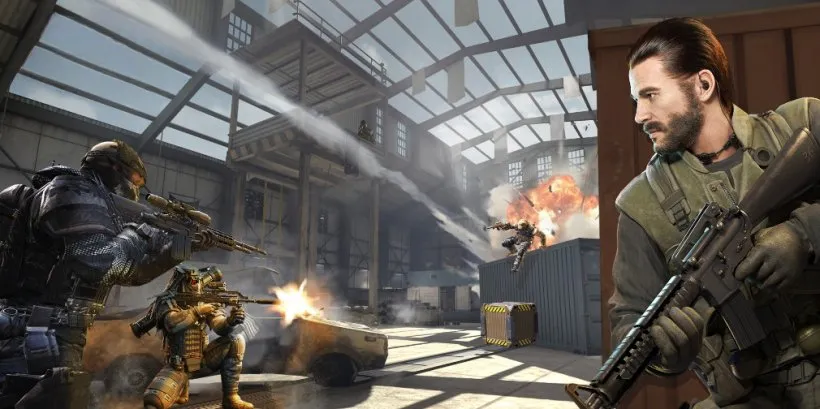
At launch, the game packed a surprising amount of content. It featured numerous maps pulled from the earlier Modern Warfare and Black Ops series—the very Call of Duty games that many players had sunk hundreds of hours into. Nuketown, Firing Range, and Hijacked returned, so veterans could rely on their old map knowledge. That familiarity gave the mobile version an instant layer of comfort.
The multiplayer suite offered several modes from the start. Frontline and Team Deathmatch were available immediately, while Domination and Search & Destroy unlocked once a player reached level five. Each mode demanded a different rhythm: Frontline encouraged aggressive pushes, Team Deathmatch rewarded map control, Domination required objective discipline, and Search & Destroy punished every careless step.
| Mode | Unlock | What It Asks of You |
|---|---|---|
| Frontline | Available | Push the enemy spawn and hold the line |
| Team Deathmatch | Available | Win gunfights, control sightlines |
| Domination | Level 5 | Capture and hold three flags |
| Search & Destroy | Level 5 | Eliminate or plant—no respawns |
| Battle Royale | Level 7 | Survive against 100 players |
| Zombies | Post-launch | Endless waves, co-op chaos |
Consider a player we will call Jordan. He had logged countless hours on Nuketown in Black Ops II. When he loaded Call of Duty: Mobile for the first time, his thumbs found the old routes without thinking. He knew the sightlines, the spawn traps, the grenade angles. That muscle memory is exactly what the mobile port preserved. It did not just copy maps; it translated the feel of a console shooter into a touchscreen language.
As expected from a Call of Duty title, loadout customization was deep. Players earned new guns, attachments, and scorestreaks as they played. The familiar killstreak loop returned: UAV for enemy intel, Predator Missiles for multi-kills, and other rewards that could turn a match. For a mobile game, the progression system felt remarkably faithful.
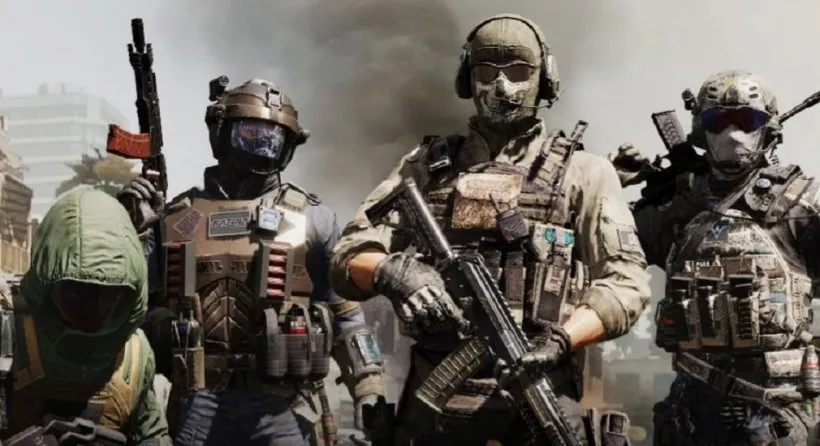
Once a player hit level seven, Battle Royale opened its doors. There, up to 100 players fought for supremacy, and squads could team up to be the last surviving group. In 2026, that mode has evolved into a polished, fast-paced experience with its own identity. It is no longer a side attraction; for many, it is the main event. Squads still drop in, loot up, and race the shrinking play zone. The core loop remains: communicate, adapt, and outlast.
Zombies, meanwhile, was not available at launch. Its banner carried a simple 'coming soon' label. That wait did not last forever. Over the years, Zombies became a beloved mode for players who preferred co-op survival over competitive pressure. For those who were never great at multiplayer—by their own admission—Zombies offered a place to shine, or at least to scream and laugh with friends.
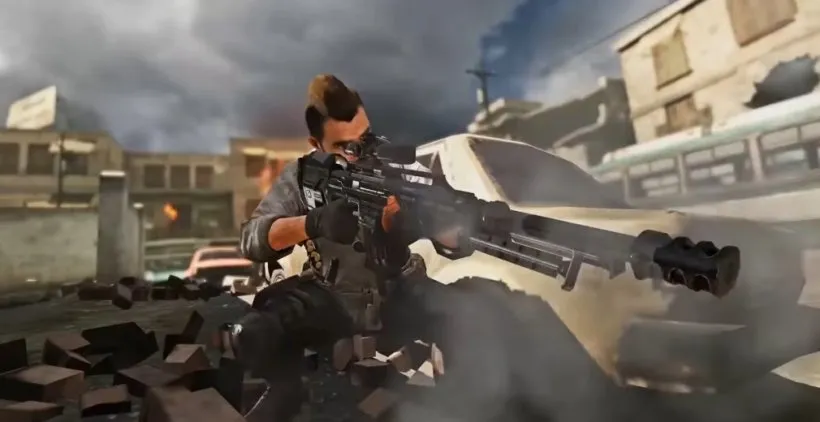
Call of Duty: Mobile launched as a free-to-play game with in-app purchases, and that model remains in 2026. Seasonal updates, new weapons, and cosmetic bundles have kept the ecosystem alive. The game is still available on iOS and Android, and its community continues to grow, shrink, and evolve like any living online shooter. It is a legacy built one match at a time.
For a franchise once thought to be tethered to consoles and PCs, the mobile chapter has written its own story. It began with skepticism, then delivered maps, modes, and moments that felt unmistakably Call of Duty. By 2026, it stands as proof that a touchscreen can host a warzone—and that millions of players are happy to fight there.