Blackout in Call of Duty: Mobile: A 2026 Field Guide to the Original Battle Royale
Master the Blackout map in Call of Duty: Mobile with iconic POIs, smart rotations, and battle-tested drop strategies for 2026.
LOS ANGELES — I have dropped into Blackout more times than I can count, and in 2026 the map still feels like a museum of Black Ops history that happens to be a battle royale arena. Deploy, scavenge, survive: that is the rhythm I know from the very first Battle Royale map in the Call of Duty franchise. Blackout first appeared in Black Ops 4, and Call of Duty: Mobile rebuilt its vast landscape for touch screens, including later additions such as Hijacked and Ghost Town. When Blackout arrived on September 22 at 5 PM PT, it gave mobile players a different kind of battlefield from Isolated, and I still treat every return as a reconnaissance mission.
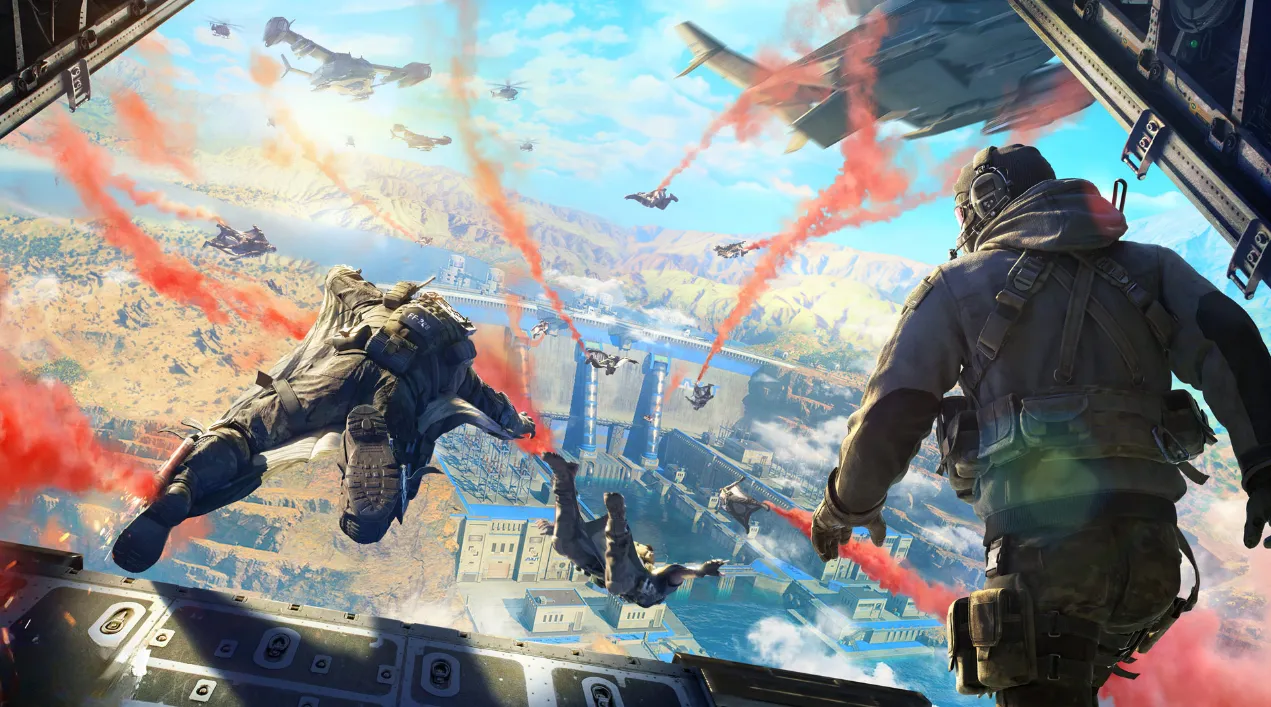
Map Intel: A Tour of Iconic Ground
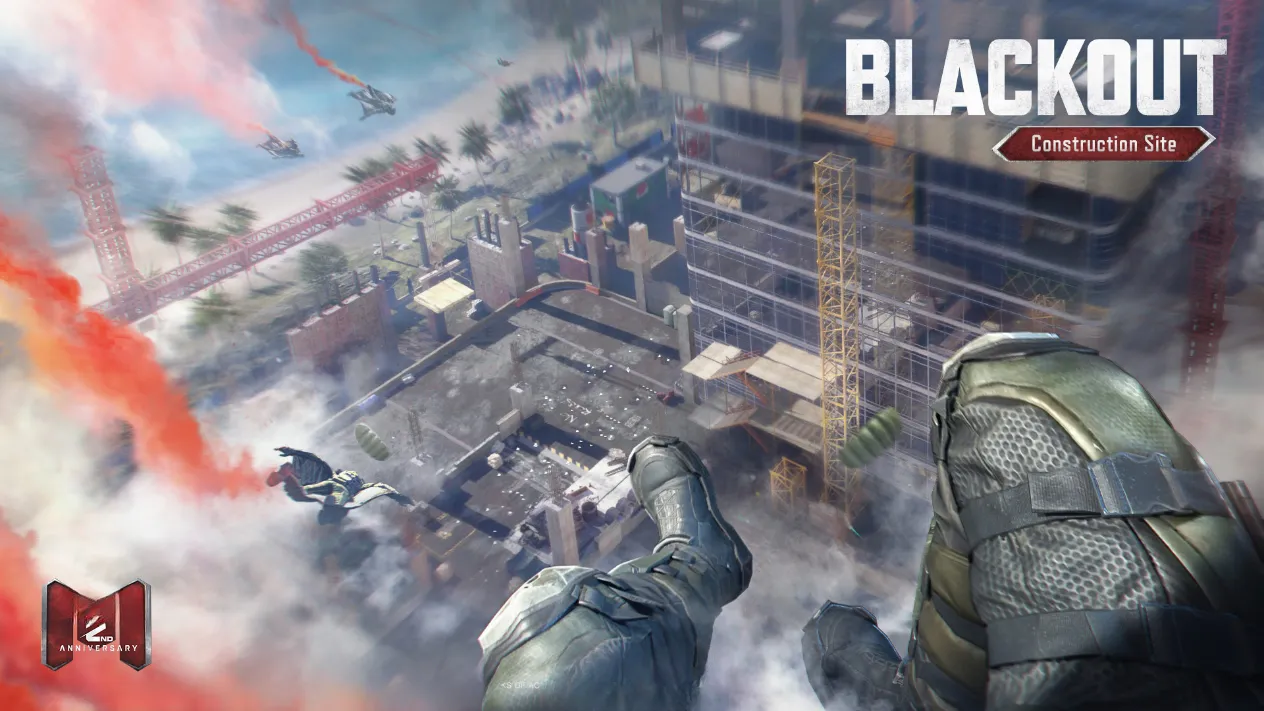
From my perspective, Blackout is at its best when I stop treating it as one giant map and start reading it as a collection of memorable Black Ops locations. Some areas are nearly identical to their multiplayer incarnations; others are looser interpretations. That mix keeps the map recognizable without making every fight predictable.
Raid (Estates) sits in the far north, and I always approach it as a mansion complex with a contested middle. The sculpture, pool, and basketball court turn the courtyard into a pressure cooker. When the crossfire gets too heavy, I rotate south and reset. Raid is one of the two mansions that define Estates, and it remains a strong test of close- to mid-range discipline.
Array brings the original Black Ops multiplayer location from a frozen tundra into sunny skies. The central building is the obvious hotspot, but I like the extra buildings around the circular relay station. They offer loot and angles that can break a stalemate. In 2026, I still see squads overcommit to the center and forget to watch the edges.
Firing Range is familiar territory for almost anyone who has played a Black Ops title. The central layout and the lookout tower are instantly readable, while surrounding buildings and obstacle courses provide loot routes. Because Firing Range sits near the center of the map, I expect it to become a hotspot in many matches. I treat it as a place to third-party, not a place to hold for too long.
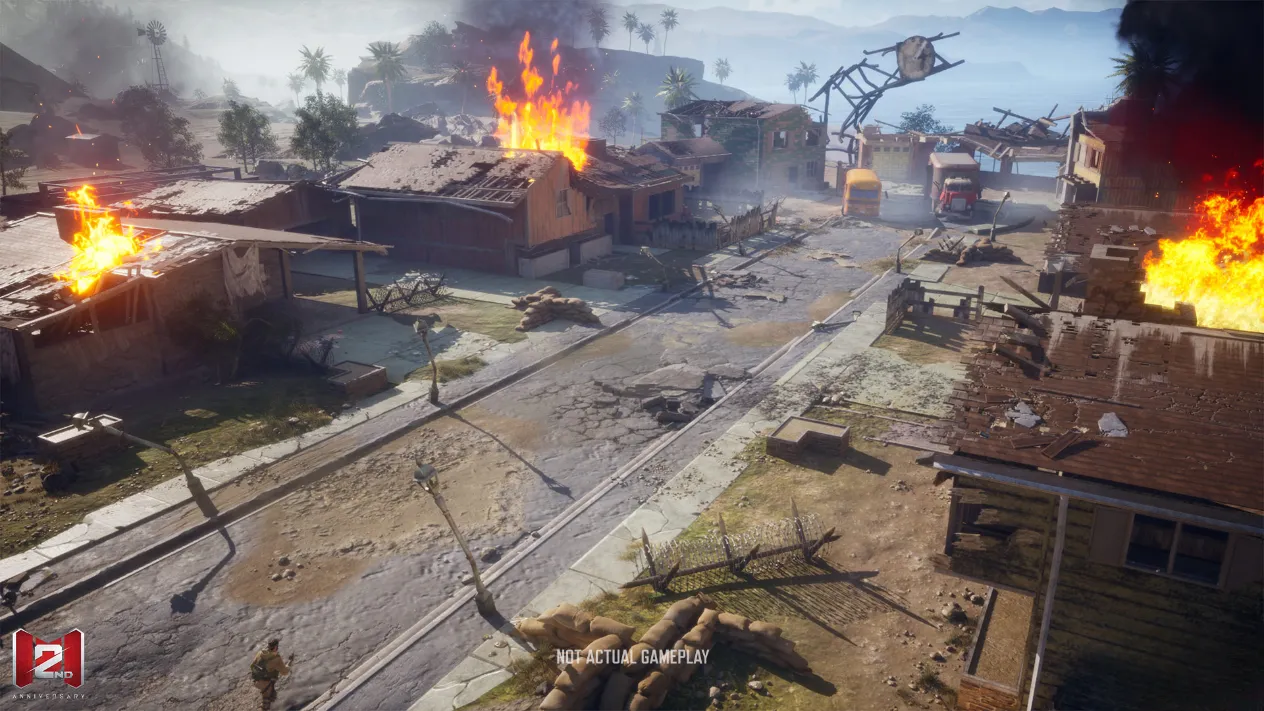
Nuketown Island is the crown jewel of the Black Ops series, and I never treat it as just a surface drop. The fake neighborhood extends underground through rooms and tunnels, including access from the bunker behind the blue house. That underground network creates flank routes, escape lanes, and ambush points. If I drop there, I listen for footsteps above and below before I commit to a fight.
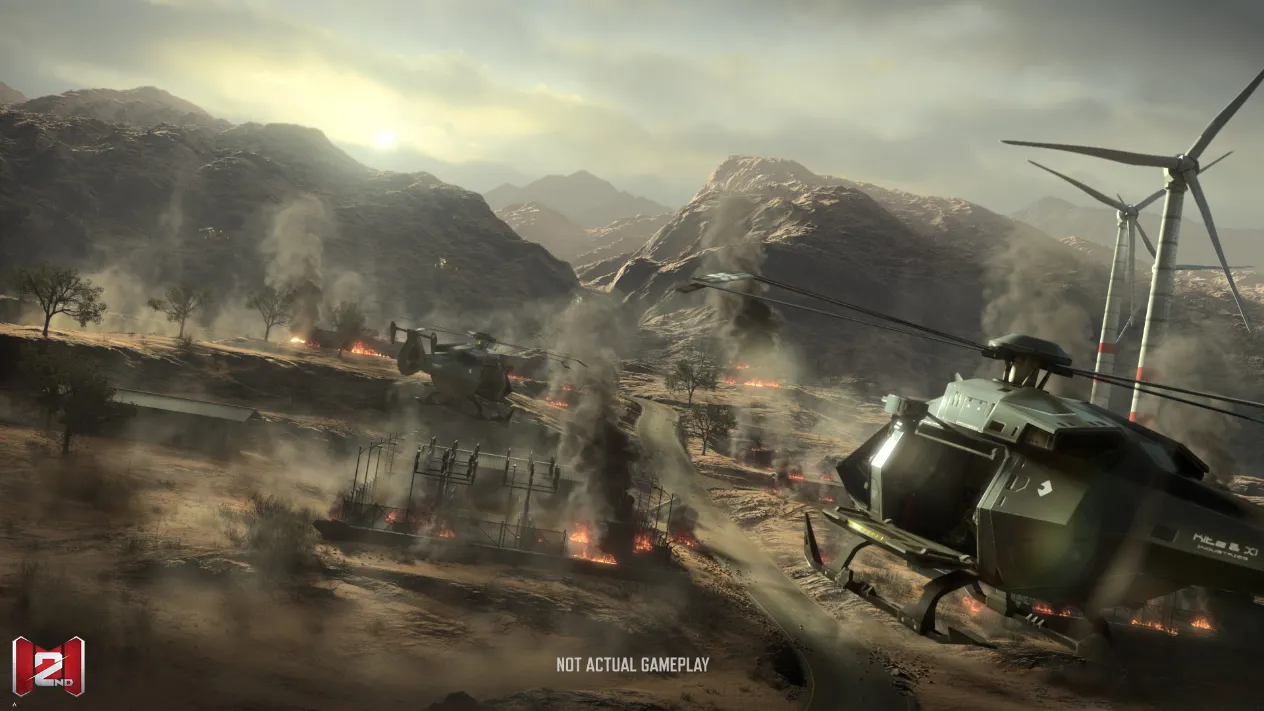
Ghost Town sends me southeast near Turbine for a wild west showdown. Based on the Outlaw multiplayer map from Black Ops 3, it scatters two-story buildings across the area. I pick up a revolver when I can and favor high ground, because snipers and sharpshooters get clear advantages once the dueling starts.
Cargo Docks sits southeast of Nuketown Island and draws from the Cargo multiplayer map in Black Ops II. The open space between containers encourages long-range gunfights and tactical cover. The main cargo rig may no longer move containers, but loot still sits in and around the stagnant stacks. I use the lanes between containers to bait overconfident pushes.
| Location | My landing read | Best approach |
|---|---|---|
| Raid (Estates) | Mansion complex with a brutal courtyard | Control mid, rotate south when pressured |
| Array | Central building plus relay-station loot | Clear edges before entering the center |
| Firing Range | Central hotspot with tower and obstacle courses | Loot the perimeter, third-party the middle |
| Nuketown Island | Surface houses plus underground tunnels | Watch both levels and use bunker routes |
| Ghost Town | Two-story wild west buildings | Take high ground for sniper duels |
| Cargo Docks | Containers and open lanes | Use cover, hold long angles, avoid open pushes |
Top Five Tips for Blackout
-
See the sights. Blackout is a huge map, and it plays very differently from Isolated. Whether I am returning or deploying for the first time, I explore far and wide. The better I understand the layout, the better my survival odds become.
-
Use new mechanics in familiar environments. Even if I know Blackout or the maps its environments are based on, Call of Duty: Mobile’s battle royale classes change the strategy. I throw decoys on Nuketown Island with the Trickster, track enemy activity in Firing Range with the Scout’s Sensor Dart, and call in a Medic when incoming damage gets heavy.
-
Play to my strengths. Blackout’s wide-open terrain rewards Sniper Rifles and LMGs at long range, while interior fights favor close- to mid-range weapons. I check my loadout before choosing where to make a stand. If I do not like my position, I grab a vehicle and move on.
-
Do not be shy. Nuketown, Firing Range, and Array can intimidate first-timers, but I believe confidence comes from controlled exposure. I head into the fire, learn from the elimination, and queue up for the next match.
-
Communicate and plan. Whatever the strategy, I keep my squad informed as circumstances change. A solo push into Nuketown is a quick way to get eliminated; a well-equipped squad push is a warning to opposing Operators.
In 2026, I still see Blackout as a map that rewards curiosity and communication more than raw speed. Prepare for mobilization.